
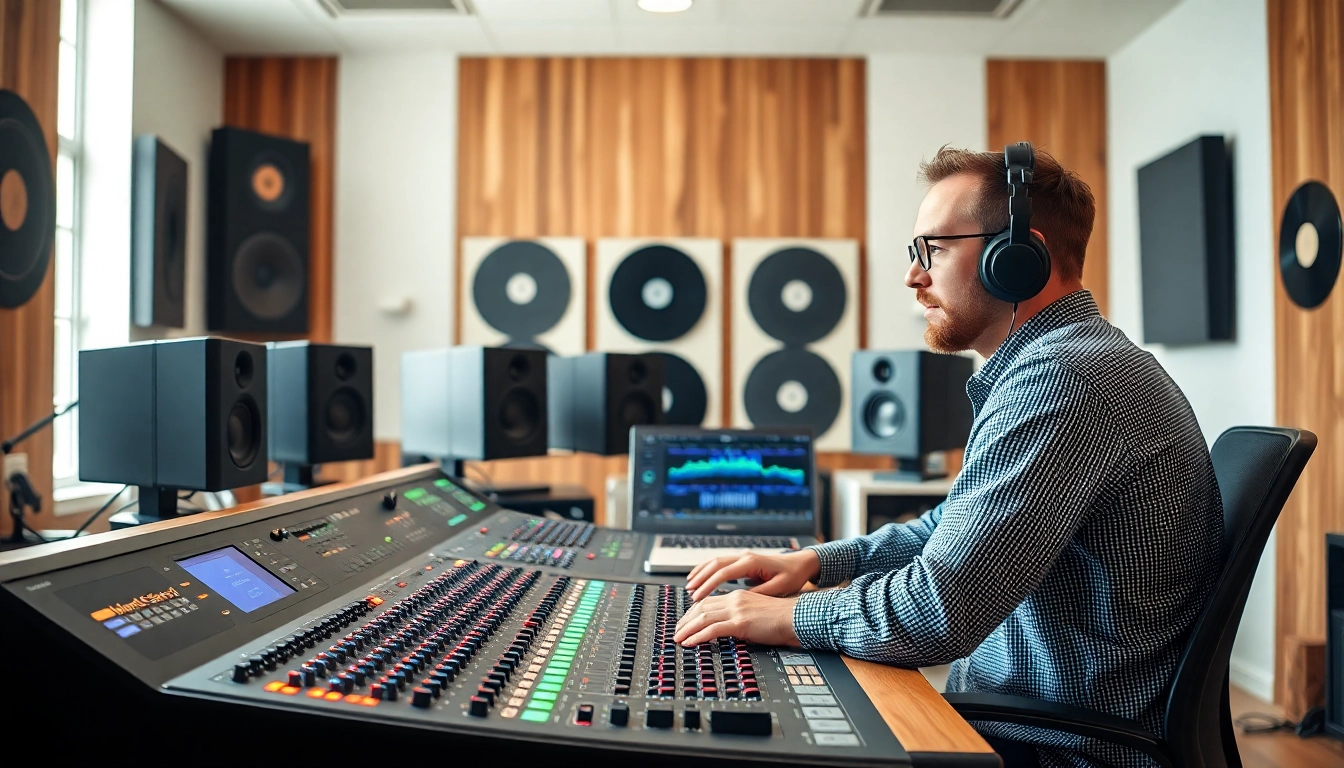
Understanding Online Audio Mastering
What is Online Audio Mastering?
Online audio mastering is the digital process of preparing and transferring recorded audio from a source to a data storage device, ensuring it has the best possible sound quality for distribution. Unlike traditional mastering that typically occurs in specialized studios using high-end equipment, online audio mastering platforms allow musicians and producers to send their tracks over the internet. It democratizes the mastering process, providing access to professional-level services without geographical constraints.
This flexibility is especially beneficial for independent artists and small labels who may not have the budget for in-person sessions. With a wide variety of tools and techniques implemented remotely, online audio mastering can compete with conventional methods, giving creatives the ability to enhance their audio to industry standards. Notably, when looking for these services, consider platforms that have a proven track record and offer online audio mastering options tailored to your specific needs.
Importance of Mastering in Music Production
Mastering is a crucial final step in music production, transforming a mixed track into a polished final product. It’s the stage where sonic qualities are balanced, ensuring that the audio sounds as good as possible across various playback systems—from earbuds to high-end speakers. A well-mastered track will not only maintain dynamic range but will also enhance depth, clarity, and volume, making it competitive in the market.
Furthermore, mastering ensures that the track meets industry standards in terms of loudness and formatting for different platforms, whether it’s for streaming, digital downloads, or physical media. With the rise of online distribution, the importance of professional mastering has never been higher, making it an indispensable part of producing quality music.
Key Differences Between Mixing and Mastering
While mixing and mastering are both essential processes in music production, they serve different purposes and follow distinct workflows. Mixing involves combining multiple audio tracks to create a cohesive sound, focusing on elements like volume levels, panning, and frequency equalization. The goal during mixing is to ensure that each instrument and vocal sits well within the overall audio spectrum.
Mastering, on the other hand, is concerned with final enhancements and ensuring the track is polished for distribution. It focuses on the fine-tuning of the overall mix, adjusting volume, compression, and equalization to create a balanced listening experience. In summary, mixing is about the details, while mastering is about the big picture.
Essential Tools for Online Audio Mastering
Software Options for Remote Mastering
There are various software options available for online audio mastering, each providing unique features that cater to specific needs. Popular digital audio workstations (DAWs) like Ableton Live, Logic Pro, and Pro Tools offer built-in mastering tools and plugins designed to enhance audio quality. However, many dedicated online platforms have emerged that exclusively focus on mastering services, providing user-friendly interfaces and effective algorithms to optimize tracks.
Some notable software options also include cloud-based solutions that allow collaborators to work on projects simultaneously. These innovations enhance flexibility, making online audio mastering not just efficient but also collaborative and creative, which is ideal in today’s music industry landscape.
Hardware Equipment to Consider
While software plays a significant role in audio mastering, hardware is equally important. High-quality audio interfaces, studio monitors, and headphones are essential tools for professional sound evaluation. A well-calibrated monitoring environment is crucial; thus, considering acoustic treatment in your workspace can significantly improve the accuracy of your mastering decisions.
Additionally, specialized mastering hardware such as equalizers, compressors, and limiters can provide nuances that software alone might not achieve. Understanding the balance between physical hardware and software tools is key to producing high-quality mastered tracks.
Plugins that Enhance Mastering Quality
Plugins are integral to the mastering process, offering a range of effects and tools to refine audio. Commonly used plugins include equalizers (EQ), multiband compressors, and limiters, each serving to manipulate different aspects of the sound. For instance, a multiband compressor can target specific frequency ranges to maintain clarity without losing dynamic range.
Furthermore, there are specialized mastering plugins designed to emulate analog equipment, providing warmth and character to the audio. Such tools enable precise control over the final sound while adding an artistic touch. Experimenting with different plugin combinations can yield unique results, allowing for personalized soundscapes suited to an artist’s style.
Steps to Master Audio Tracks Online
Preparing Your Mix for Mastering
Before sending your track for online mastering, ensuring that it is prepared correctly can make a significant difference. Start by exporting your mixed track at the highest quality possible—at least 24-bit WAV file is preferred. During this stage, avoid any heavy processing; the mastering engineer will apply balancing effects in the final steps.
It’s also prudent to leave headroom—approximately -6dB—to prevent clipping during the mastering process. Reviewing the mix on multiple systems and getting feedback helps fine-tune the track and catch any issues that might arise during mastering.
Submitting Your Track for Online Mastering
After preparation, selecting a reliable online audio mastering service is the next step. Many platforms allow for direct uploads and provide instructions on how to submit your material. Pay attention to their specific requirements regarding file format, metadata, and any notes about your desired sound.
Some sites offer automated mastering, utilizing algorithms to adjust audio, while others provide personalized services where a mastering engineer will oversee the final outcome. Choose the option that fits your needs and communicate clearly about your preferences, artistic vision, and any reference tracks you admire.
Evaluating Mastered Tracks
Once the mastered track is complete, evaluation is crucial. Listening critically on a variety of playback systems ensures that the track translates well across different environments. Pay attention to the balance of frequencies, dynamic range, and overall loudness. If possible, gather feedback from trusted sources to gain additional perspectives.
If revisions are necessary, most online mastering services offer options for this and will typically provide detailed feedback or notes regarding the changes made. Open communication with the mastering engineer ensures a collaborative process that leads to a polished final product.
Best Practices in Online Audio Mastering
Maintaining Quality Across Different Platforms
To ensure your mastered track sounds great on various platforms, consider the specifications that each medium dictates. Streaming services often have loudness normalization, which can affect how your track is perceived. Aim for a loudness level that balances well across platforms without sacrificing dynamic components.
Test your track on different systems—headphones, car audio, laptop speakers, etc.—to ensure consistency and quality. This approach helps identify any discrepancies that could arise during playback on different devices.
Common Mistakes to Avoid
Several pitfalls can arise during the mastering process. One common mistake is over-compression, which can lead to a lack of dynamic range and an overly fatigued listening experience. It’s essential to balance loudness with clarity; too much volume can distort the intended sound.
Additionally, neglecting to prepare your mix properly before mastering can impact the final product. Ensure all elements are well-balanced and that you leave adequate headroom. Lastly, don’t shy away from using reference tracks to guide your mastering decisions—they can provide benchmarks for determining appropriate loudness and tonal balance.
Using Reference Tracks Effectively
Reference tracks serve as a benchmark for evaluating how your mastered track compares to others in your genre. When selecting references, choose professionally mastered songs that you admire in terms of both sound and production quality. A/B testing between your track and references can reveal areas needing attention.
Listening critically to the frequency distribution, dynamics, and loudness levels in these reference tracks can help identify the desired sonic characteristics you want to achieve. This practice is beneficial in guiding your mastering and ensuring your audio is on par with industry standards.
Future Trends in Online Audio Mastering
Impact of Technology on Audio Mastering
Technology is continually evolving, significantly impacting the way audio mastering is executed. Advances in software tools have made it easier for both professionals and amateurs to master their tracks effectively. Emerging features like AI-driven algorithms can analyze the track and apply real-time adjustments, streamlining the mastering process.
Cloud technology is also reshaping collaboration. Musicians can work together from different locations, sharing files and feedback instantly, creating a more inclusive environment for creating high-quality audio projects.
Collaborative Online Mastering Experiences
The trend towards collaboration in audio production continues to gain traction, especially as online platforms facilitate easier access to specialized skills. Musicians and producers can connect with mastering engineers worldwide, enabling them to find the perfect fit for their creative vision.
Furthermore, many online mastering providers are incorporating feedback loops, allowing artists to make real-time adjustments and suggestions during the mastering process. This approach enhances the creative experience, ensuring the final product aligns closely with the artist’s intent.
The Role of AI in Mastering
Artificial intelligence is poised to revolutionize the audio mastering landscape. Many online services are beginning to utilize AI technologies to analyze audio tracks and suggest improvements, making professional mastering accessible to a broader range of creators. These initial steps can provide a solid foundation for up-and-coming artists and professionals alike.
While AI tools are innovative and efficient, the human touch remains essential. The best results often come from a combination of AI efficiency and human expertise as mastering engineers interpret artistic intent while implementing technical adjustments. This future-forward combination promises an exciting evolution in mastering practices.
Frequently Asked Questions
What does online audio mastering entail?
Online audio mastering involves refining and finalizing tracks remotely to ensure the highest sound quality for distribution. It includes balancing, equalization, and preparing audio files for various platforms.
How long does online mastering typically take?
The time it takes for online mastering can vary, usually ranging from a few hours to a few days based on service and complexity. Many platforms offer faster turnaround options for urgent needs.
Can I master my track myself?
Yes, you can use software and plugins to master your track at home. However, professional mastering engineers provide expertise and experience that can enhance your audio quality significantly.
What formats should I submit for online mastering?
Most services accept high-quality formats such as WAV or AIFF files at 24-bit resolution. Always check specific requirements for your chosen platform prior to submission.
Is mastering necessary for digital releases?
Mastering is essential for digital releases, as it ensures the track meets industry standards, sounds great on various platforms, and translates well across different playback systems.
