
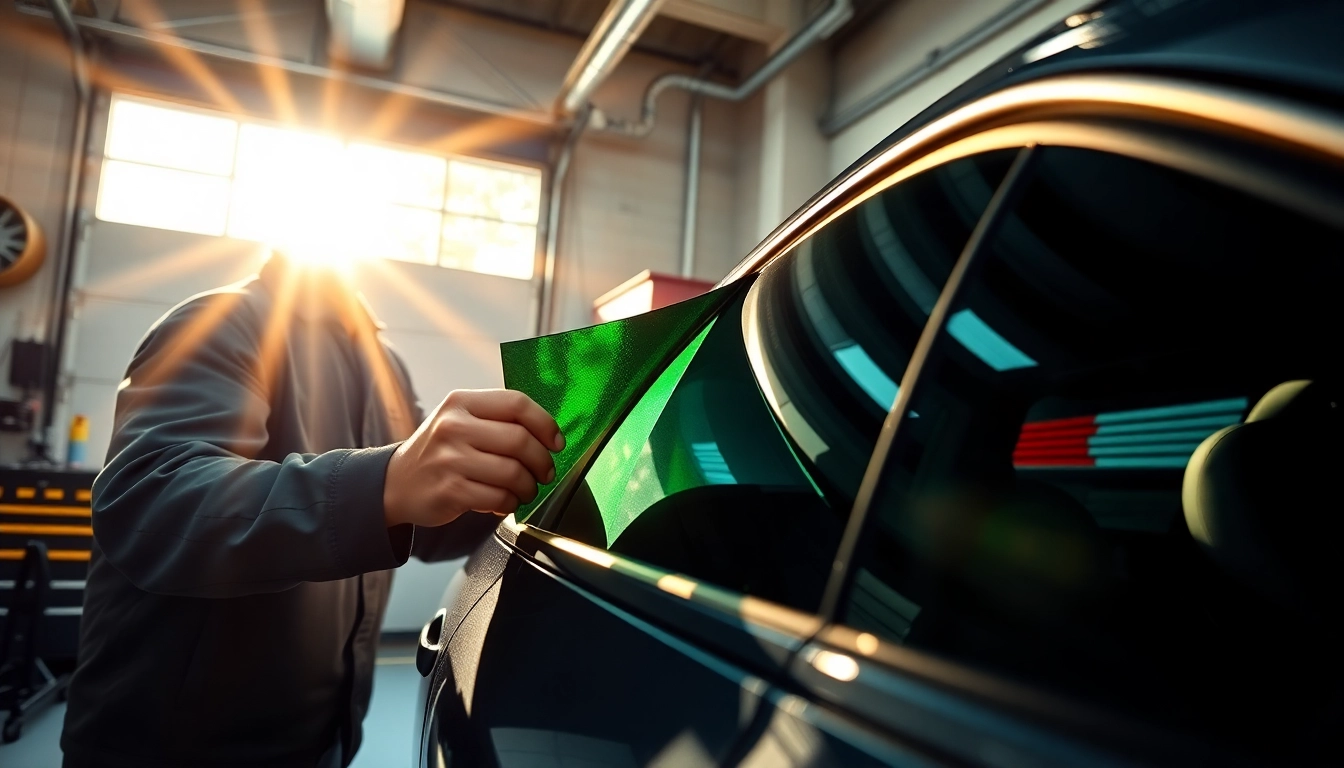
Understanding the Basics of Window Tinting
What is Window Tint?
Window tint refers to a thin film applied to glass surfaces to reduce the amount of sunlight and ultraviolet (UV) light that enters. These films come in various shades and materials, designed to address multiple needs, from aesthetic appeal to functional benefits. The application of window tint enhances privacy, reduces glare, and can improve energy efficiency in vehicles and buildings. The technology behind window tinting has evolved significantly over the years, leading to better durability, effectiveness, and a variety of choices for users.
Benefits of Window Tinting
Installing window tint brings a wide range of advantages. Here are some notable benefits:
- UV Protection: Window tint blocks up to 99% of harmful UV rays, protecting both passengers and interior surfaces.
- Heat Reduction: Tinted windows can significantly reduce heat inside vehicles and homes, leading to lower energy bills and increased comfort.
- Glare Reduction: Tints help minimize glare from the sun, improving visibility and comfort while driving.
- Enhanced Privacy: Tints provide an additional layer of privacy, making it harder for passersby to see inside the vehicle or building.
- Improved Aesthetics: Apart from functional advantages, window tints can instantly enhance the appearance of your vehicle or home.
- Increased Safety: Window tint can hold shattered glass together in case of an accident, reducing the risk of injuries.
Common Myths About Window Tinting
Despite its numerous benefits, several myths surrounding window tinting persist. Understanding these misconceptions is crucial for making an informed decision.
- Myth 1: All tints are the same – In reality, various types of window tints exist, each with distinct properties and effectiveness.
- Myth 2: Tints make it difficult to see – High-quality window tints can enhance visibility while reducing glare, contrary to popular belief.
- Myth 3: Tinting is illegal everywhere – While regulations vary by state, many places allow for certain levels of tinting.
- Myth 4: Window tint will damage my window – Professionally applied tint does not harm the glass but can enhance its durability.
Choosing the Right Window Tint Near Me
Types of Window Tint Available
When searching for window tint near me, it’s essential to understand the different types of tints available. Common options include:
- Dyed Window Tint: This is an economical option that darkens windows but provides limited UV and heat blockage.
- Metalized Window Tint: Incorporating metal particles, this type reflects heat and reduces glare while providing greater durability.
- Ceramic Window Tint: Offering high UV protection and heat rejection, this premium option does not interfere with electronic devices.
- Hybrid Window Tint: A blend of dyed and metalized films, these offer a balanced performance at an affordable price.
Factors to Consider When Selecting Tint
Choosing the right tint involves several considerations:
- Legal Restrictions: Check local laws regarding tint darkness and reflectivity to ensure compliance.
- Purpose: Consider why you want window tint—be it for aesthetics, privacy, or heat reduction.
- Quality vs. Cost: While budget options are available, investing in quality tints typically yields better longevity and performance.
- Warranty: Look for products that come with a warranty, ensuring their durability over time.
How to Find Local Professionals
Finding skilled professionals for window tint installation is crucial. Here are some effective ways to locate the right experts:
- Online Directories: Use online yellow pages or directories to search for tinting services.
- Word of Mouth: Asking friends or family for recommendations can lead to finding trustworthy service providers.
- Online Reviews: Check customer reviews on platforms like Google or Yelp to gauge the reputation of local businesses.
Window Tinting Legislation
State Regulations and Compliance
Window tinting regulations vary by state, influencing both the type and darkness of films allowed. It’s critical to familiarize yourself with local laws to avoid fines and ensure adherence to guidelines.
Common Legal Restrictions
Common legal restrictions include:
- Tint Darkness: Most states have specific limits on how dark your tint can be.
- Reflectivity Limits: Some areas restrict the level of reflectivity for side and rear windows.
- Medical Exemption: Certain states offer exemptions for medical conditions that require darker tints.
How Regulations Impact Your Choice
Understanding regulations can significantly impact your choice of window tint. It’s essential to select a film that complies with your state’s laws, helping you avoid penalties while still enjoying the benefits of tinting.
Installation Process and Tips
What to Expect During Installation
When having your windows tinted, you can expect the following steps during installation:
- Preparation: Technicians will clean the windows and may remove any existing films.
- Measuring and Cutting: The tint is carefully measured and cut to fit each window precisely.
- Application: The tint is applied using a solution to enable adjustment before it adheres firmly to the glass.
- Final Inspection: After application, technicians inspect for bubbles or imperfections, ensuring a flawless finish.
DIY vs. Professional Installation
While DIY installations may seem appealing due to cost savings, professional installation often ensures better results. Professionals have the tools, experience, and skills to minimize errors and enhance the longevity of the tint.
Post-Installation Care for Window Tint
Once installed, allowing the tint to cure without disturbance is crucial. It’s advisable to avoid rolling down the windows for a few days after application to let the adhesive set properly. Clean the tinted windows with a gentle, non-abrasive cleaner to maintain their quality.
Maintaining Your Window Tint
Best Practices for Longevity
To ensure your window tint lasts, follow these best practices:
- Avoid Abrasive Cleaners: Use soft cloths and ammonia-free solutions when cleaning.
- Limit Direct Sun Exposure: Park in shaded areas when possible to reduce UV exposure.
- Regular Inspections: Frequently check for any signs of peeling or bubbling that may require professional touch-ups.
Identifying and Fixing Common Issues
Common issues with window tint can include bubbling, peeling, or discoloration. Identifying these problems early can help in making timely repairs. Depending on the severity, some issues can be fixed with minor adjustments, while others may require complete reapplication.
Signs It’s Time to Replace Tint
Watch for these signs indicating a need to replace your window tint:
- Visible scratches or abrasions.
- Severe discoloration or fading.
- Significant peeling away from the glass.
- Bubbling that worsens over time.
FAQs About Window Tinting
1. How long does window tinting last?
Quality window tint can last between 5 to 15 years, depending on the type of tint and maintenance.
2. Is window tinting legal?
Yes, window tinting is legal in many places, but specific darkness and reflectivity limits apply depending on the state.
3. Can I wash my car after tinting?
It’s recommended to wait about two weeks after installation before washing the car to allow the tint to cure properly.
4. Will window tint make my car hot inside?
No, window tint is designed to reduce heat and glare, ultimately helping maintain a cooler interior.
5. Can tinted windows be removed?
Yes, tinted windows can be removed, but it’s best to have a professional do it to avoid damaging the glass.
