
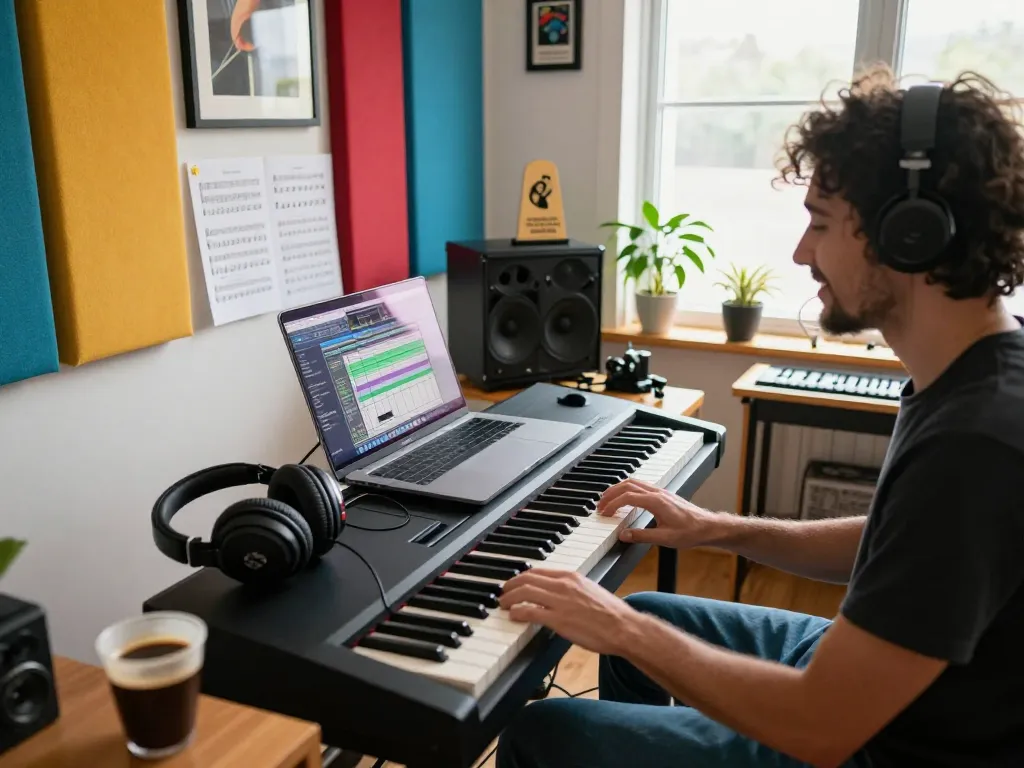
Understanding the go 88 Digital Piano
The go 88 is a modern marvel in the world of digital pianos, providing aspiring musicians with an accessible gateway to learning and mastering the piano. Unlike traditional pianos, the go 88 combines technology and design to facilitate a more engaging music-learning experience. With its full-sized keys, portability, and built-in learning features, it caters to both beginners and advanced players alike. The versatility of the go 88 makes it a favored choice for home use, music schools, and live performances, aligning with the evolving needs of contemporary musicians.
When exploring options, go 88 provides comprehensive insights into its features, benefits, and user experiences, making it easy to understand why it stands out in a competitive market.
What is the go 88? Features and Benefits
The go 88 is not just a piano; it’s a comprehensive learning tool. This digital instrument boasts features such as a full-size 88-note keyboard, various sound settings, and connectivity options that allow musicians to enhance their playing experience. Some key features include:
- Weighted Keys: Mimicking the feel of an acoustic piano, the weighted keys help in developing proper finger technique.
- Multi-Sound Options: It offers a variety of instrument sounds, such as strings and organs, giving players a broader palette for creativity.
- Built-in Learning Tools: Integrated apps and lesson modes help beginners learn at their own pace.
- Portability: Weighing significantly less than traditional pianos, it’s designed for easy transport, making it ideal for performances on the go.
How the go 88 Compares to Traditional Pianos
When comparing the go 88 to traditional pianos, several differences stand out. Traditional pianos are often larger, heavier, and require more maintenance. In contrast, the go 88 provides a lightweight and user-friendly alternative. It also offers features such as MIDI connectivity, which is absent in most acoustic pianos, allowing for integration with music software and recording equipment.
Moreover, the electronic nature of the go 88 means it can be played with headphones, making it a suitable choice for practice in shared spaces without disturbing others.
Key Specifications and Performance Metrics
Understanding the technical specifications of the go 88 is essential for making an informed decision. Key specifications include:
- Keyboard Type: 88 weighted keys
- Sound Engine: Advanced digital sampling with over 200 sounds
- Connectivity: USB and MIDI outputs, audio input/output
- Battery Life: Up to 12 hours on battery mode
These metrics highlight the performance capabilities of the go 88, making it a robust choice for different musical environments.
Choosing the Right Setting for Your go 88
A well-planned environment can significantly enhance the playing experience of the go 88. Whether set up at home or in a professional studio, proper placement and acoustics play a crucial role in sound quality.
Home Studio Setup Essentials
Setting up the go 88 in a home studio requires minimal equipment. Essential items include:
- Sturdy Piano Stand: A solid stand can stabilize your instrument during play.
- Chair Height: Ensure that the chair is at a comfortable height for proper posture.
- Quality Speakers: Invest in external speakers for a richer sound experience.
Acoustic Treatment for Optimal Sound
Acoustic treatment can significantly influence the sound quality in your home studio. Consider placing acoustic panels on walls or using rugs to dampen sound reflections. This can create a more conducive environment for both playing and recording.
Combining the go 88 with Other Instruments
The versatility of the go 88 allows it to be seamlessly integrated with other instruments. Whether you’re collaborating with a guitarist, using a MIDI controller, or enhancing your sound with a synthesizer, understanding how to effectively combine these instruments can expand your musical repertoire.
Mastering Techniques for the go 88
To fully realize the potential of the go 88, it’s essential to master various playing techniques that can elevate your performance.
Essential Playing Techniques for Beginners
Beginners should focus on fundamental techniques, such as:
- Correct Hand Positioning: Ensure fingers are curved and relaxed.
- Practicing Scales: Scales form the basis of music theory and should be practiced regularly.
- Using a Metronome: Helps develop timing and rhythm.
Advanced Features and Their Applications
For more experienced players, exploring advanced features like layering sounds or using the metronome effectively can enhance musical creativity. Merely playing notes is not enough; understanding how to manipulate sound can lead to more engaging performances.
Common Mistakes to Avoid When Playing
New users often make several common mistakes that can hinder their progress, including:
- Neglecting Warm-ups: Failing to warm up can lead to tension and poor performance.
- Ignoring Technique: Prioritizing speed over technique can lead to long-term bad habits.
- Skipping Theory: Basic music theory knowledge can greatly enhance understanding of the music being played.
Incorporating Technology with go 88
Technology plays a vital role in modern music, and the go 88 is designed to integrate seamlessly with it.
Best Apps for Learning and Recording
Utilizing apps designed for piano learning can enhance the experience significantly. Some popular choices include:
- Simply Piano: Offers step-by-step lessons tailored for beginners.
- Yousician: Provides a gamified learning experience that tracks your progress.
- GarageBand: Great for recording and producing music directly from your go 88.
Exploring MIDI Connectivity and Software Integration
The MIDI capabilities of the go 88 facilitate interaction with various music software, allowing users to record and edit music easily. This feature is particularly useful for composers and producers looking to expand their sound palette.
Using the go 88 for Live Performances
The portability and sound versatility of the go 88 make it an excellent choice for live performances. Musicians can easily transport it to venues, and its rich sound options can cater to different musical styles. Remember to rehearse with your setup to ensure everything runs smoothly on the day of the performance.
Future Trends in Digital Pianos by 2026
The digital piano industry is evolving rapidly, and staying informed about upcoming trends can benefit musicians and enthusiasts alike.
Emerging Technologies in Music Instruments
Technologies such as Bluetooth connectivity and interactive learning tools are becoming increasingly common in digital pianos, providing users with enhanced functionalities. These advancements contribute to a more engaging learning experience.
Predicted Innovations for the go 88
Future iterations of the go 88 may feature improved sound engines, enhanced connectivity options, and more intuitive learning tools that adapt to the user’s skill level. As technology progresses, so will the capabilities of digital pianos, making them even more integral to the music-making process.
Tips for Staying Ahead in Musical Trends
Musicians should consistently explore new genres and techniques, utilize online resources for continued learning, and engage with the music community. This approach will not only enhance individual skills but also keep them informed about broader trends in the music industry.
What are the unique features of the go 88?
The go 88 features a weighted key action that simulates the feel of an acoustic piano. It also includes various sound options, built-in learning tools, and connectivity for MIDI, making it a versatile instrument for all musicians.
Can I use the go 88 for live performances?
Yes, the go 88 is designed for both practice and live performance. Its lightweight design, coupled with quality sound, allows for easy transport to different venues, making it a practical choice for performers.
What are some common challenges for new users of digital pianos?
New users often struggle with mastering proper technique and may find the transition from traditional pianos challenging. Familiarizing oneself with the instrument's features and practicing regularly can alleviate these issues.
How does the go 88 support music production?
The go 88 supports music production through its MIDI capabilities, allowing it to interface with music software for recording and editing. This feature is invaluable for musicians looking to produce high-quality music.
Are there beginner-friendly resources for learning to play the go 88?
Yes, numerous resources are available online, including dedicated apps, video tutorials, and community forums, making it easier for beginners to learn and improve their skills with the go 88.